
Mimosa Hostilis Tree: Identification, Habitat, and Uses

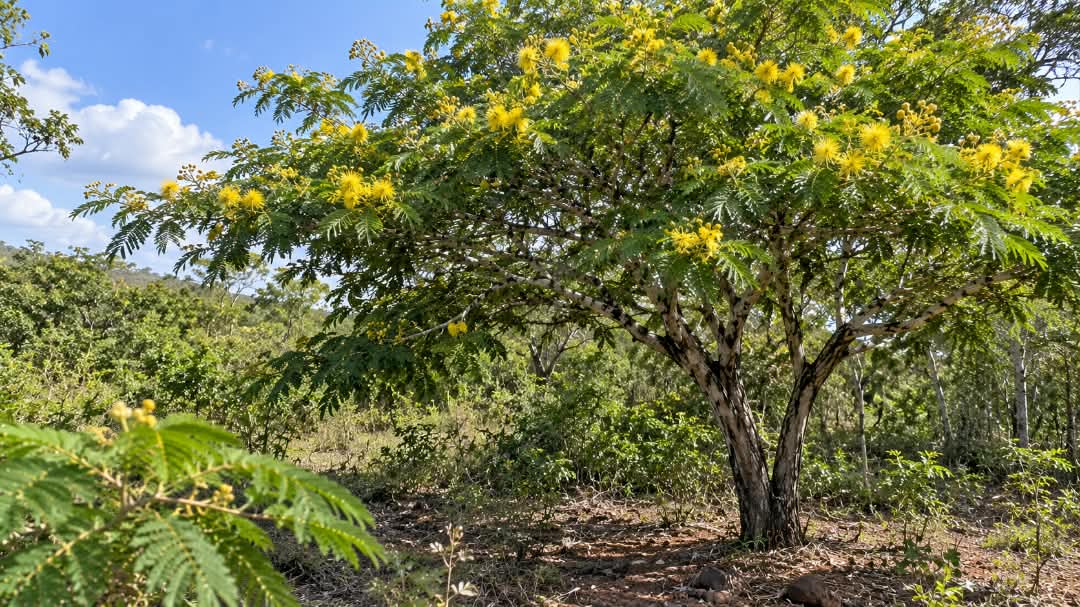
The mimosa hostilis tree is a resilient perennial tree or shrub native to northeastern Brazil and parts of Mexico, Central America, and northern South America. Also known as Mimosa tenuiflora, tepezcohuite, or jurema preta, it is valued for its ecological resilience, traditional cultural importance, and distinctive appearance.
What Is Mimosa Hostilis?
What is Mimosa hostilis? It is a thorny, flowering species in the legume family, commonly described as a small tree or large shrub. Therefore, people searching for the Mimosa tenuiflora tree will often find both scientific names used interchangeably.
The plant is especially associated with dry, tropical environments. Moreover, it grows naturally in regions of Brazil, Mexico, El Salvador, Honduras, Panama, Colombia, and Venezuela.
Mimosa Tenuiflora Tree Facts
The Mimosa tenuiflora tree typically has finely divided, fern-like leaves, small white flowers, thorny branches, and flattened seed pods. In addition, its bark is often dark, textured, and rich in tannins.
Because it belongs to the legume family, the species plays a role in soil improvement and regrowth in disturbed landscapes. Consequently, researchers and land managers often describe it as an important pioneer plant in degraded dry forests.
Quick identification clues
- Leaves: Small, feathery, and pinnately divided.
- Flowers: Fragrant, white to cream-colored blooms.
- Branches: Often thorny and woody.
- Pods: Flattened, segmented legume pods.
- Bark: Dark, fibrous outer bark with high tannin content.
Where Does the Mimosa Hostilis Tree Grow?
The mimosa hostilis tree grows most commonly in the dry forests of northeastern Brazil. However, its range extends north into southern Mexico, including Oaxaca and coastal Chiapas.
It favors warm climates, well-drained soils, and open or secondary-growth landscapes. Furthermore, it frequently appears along river plains, roadsides, abandoned fields, and thorny thickets.
Tepezcohuite Tree Identification
The term tepezcohuite is widely used in Mexico for the same plant known scientifically as Mimosa tenuiflora. Therefore, anyone researching the tepezcohuite tree should understand that the names refer to the same botanical species.
Its most recognizable traits are its delicate compound leaves, thorny stems, clustered white flowers, and pod-like fruits. Additionally, mature plants can develop a shrubby, multi-stemmed form rather than a single tall trunk.
Traditional and Practical Uses
For centuries, communities in Brazil and Mexico have used different parts of the mimosa hostilis tree in practical and cultural ways. For example, its bark has historically been used in natural dyeing and leather production because of its high tannin content.
In Mexico, the name tepezcohuite is associated with traditional external skin-care applications, particularly for burns and wounds. However, modern clinical evidence for many of these uses remains limited, so readers should avoid treating traditional claims as medical advice.
Other documented uses include:
- Fuelwood and fencing materials in rural communities.
- Animal fodder from leaves and pods.
- Construction uses, including fences, furniture, and simple wooden structures.
- Cultural traditions, especially in northeastern Brazil, where the plant is connected to Jurema practices.
Jurema Preta Plant Habitat
The jurema preta plant is another common name for Mimosa tenuiflora, particularly in Brazil. As a result, searches for jurema preta habitat often lead to information about the same dry-forest ecosystems where the mimosa hostilis tree thrives.
These habitats are often seasonally dry, warm, and prone to disturbance. Nevertheless, the species can recover quickly because of its hardy growth habits and ability to establish in poor or altered soils.
Ecological Importance
The mimosa hostilis tree supports local ecosystems by stabilizing soils, providing cover, and contributing organic material to the landscape. Moreover, its flowers can support pollinators, while its pods and foliage may serve as forage for animals in some regions.
Because it grows readily in disturbed areas, the species is often considered useful in agroforestry and land-restoration discussions. Still, responsible cultivation should respect local regulations, native ecosystems, and sustainable harvesting practices.
Legal and Safety Considerations
Laws concerning Mimosa hostilis, its bark, seeds, and plant material vary by country and jurisdiction. Therefore, buyers and growers should verify local rules before purchasing, importing, cultivating, or transporting any plant material.
Additionally, traditional uses should not be confused with proven medical treatments. Consequently, anyone considering health-related use should consult a qualified healthcare professional first.
Frequently Asked Questions
Is Mimosa hostilis the same as Mimosa tenuiflora?
Yes. Mimosa hostilis is a widely used name for the species more formally known as Mimosa tenuiflora.
What does the mimosa hostilis tree look like?
It is a thorny tree or shrub with feathery leaves, white flowers, and flattened seed pods. Furthermore, its bark is typically dark and fibrous.
Where is the Mimosa tenuiflora tree native?
It is native to northeastern Brazil and occurs naturally as far north as southern Mexico, with a broader presence across parts of Central and South America.
Why is it called tepezcohuite?
Tepezcohuite is a regional Mexican name for the same tree. In Mexico, the name is commonly linked to traditional external uses of the bark.
Final Thoughts
The mimosa hostilis tree is more than a single botanical name; it is a plant with several regional identities, including Mimosa tenuiflora, tepezcohuite, and jurema preta. Ultimately, understanding its habitat, identification features, traditional uses, and ecological role provides a clearer, safer, and more complete picture of this remarkable species.