Address
304 North Cardinal
St. Dorchester Center, MA 02124
Work Hours
Monday to Friday: 7AM - 7PM
Weekend: 10AM - 5PM
Address
304 North Cardinal
St. Dorchester Center, MA 02124
Work Hours
Monday to Friday: 7AM - 7PM
Weekend: 10AM - 5PM
Mexican mimosa is a widely searched name for Mimosa tenuiflora, a resilient tree or shrub also known as Mimosa hostilis, tepezcohuite, and jurema preta. It grows naturally in parts of southern Mexico, especially Oaxaca and Chiapas, as well as across Central and South America.
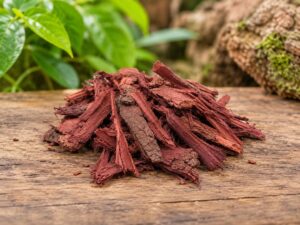
Mexican mimosa is commonly described as a thorny, deciduous tree with fern-like leaves, fragrant white flowers, and dark bark that can split to reveal a reddish-brown inner layer. In Mexico, many people know the species by its traditional name, tepezcohuite.utep+1
Although “Mexican mimosa” is a popular search term, the plant is not exclusively Mexican. Researchers and botanical databases place its broader range from Brazil northward through Mexico and several Central American countries.
The Mexican mimosa thrives in warm, seasonally dry environments, including tropical deciduous forests, thorny scrubland, roadsides, and disturbed soils. In Mexico, it is especially associated with Oaxaca and Chiapas.
Because the species tolerates poor soils and recovers readily after disturbance, it is often considered a pioneer plant. This means it can help stabilize land and create conditions that support other vegetation over time.flipper.
In Mexico and other parts of Latin America, tepezcohuite bark and roots have traditionally been dried, powdered, and applied topically for burns, wounds, and skin concerns. These are traditional practices, so they should not be treated as medical advice or proof of treatment.
The tree has also been used historically for fuel, fencing, animal forage, tannin, and soil improvement. Those practical applications help explain why Mexican jurema remains culturally and economically important in several regions.
A mature Mimosa hostilis tree can reach about 8 meters in height, although growth varies with climate, soil, and water availability. Its finely divided leaves, spiny branches, and cylindrical flower spikes make it relatively easy to recognize.
The plant produces small, flattened seeds inside brittle pods. Moreover, its ability to fix nitrogen and grow quickly in challenging conditions contributes to its reputation as a hardy, regenerative species.flipper.diff+1
Interest in Mexican mimosa continues to grow because people encounter the plant through herbal traditions, cosmetics, agroforestry, botany, and sustainable-land discussions. However, reliable information matters, because the same plant can be described under several regional and scientific names.
At Mimosa Hostilis Hub, our goal is to make that information clear. Therefore, we separate verified botanical facts from folklore, commercial claims, and unverified health statements.
Anyone researching Mexican mimosa should use credible botanical, academic, and regulatory sources. In addition, topical or internal use should never be attempted without guidance from a qualified professional, since traditional use does not establish safety, dosage, or effectiveness.
This category is intended for educational purposes. Consequently, Mimosa Hostilis Hub does not provide instructions for consumption, preparation for psychoactive use, or medical treatment.
Browse our guides to learn more about Mexican Mimosa hostilis, Mimosa tenuiflora in Mexico, the tepezcohuite tree, and the broader ecology of this remarkable plant. As you explore, you will find clear, globally relevant information designed for researchers, gardeners, educators, and curious readers.
Showing all 3 results