
mimosa.hostilis: A Complete Botanical Guide to Its Origins, Characteristics and Traditional Uses

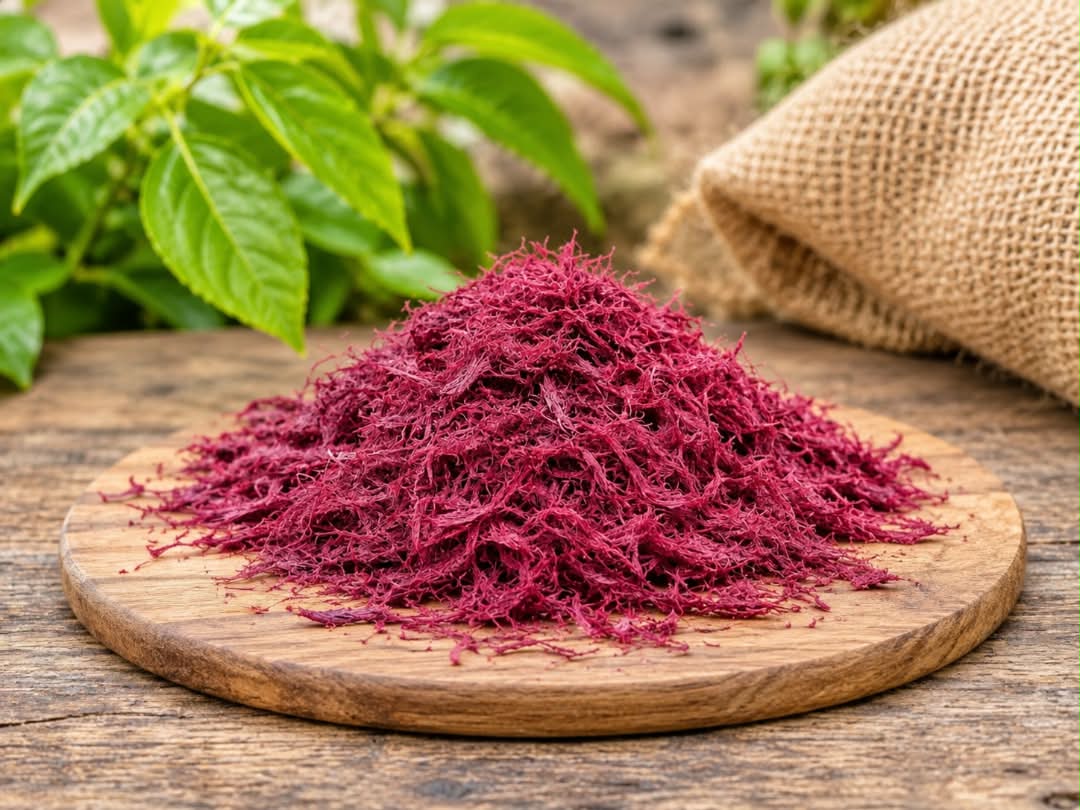
Introduction to mimosa.hostilis
Mimosa.hostilis is a fascinating tropical plant with a rich botanical history and several traditional applications. Also known through botanical references as Mimosa tenuiflora, this species belongs to the Fabaceae family, which includes numerous flowering trees, shrubs, and legumes. Furthermore, the plant attracts interest from botanists, researchers, gardeners, and people exploring traditional medicinal plants. Therefore, understanding its botanical identity, natural habitat, physical characteristics, and historical importance provides valuable insight into this remarkable species.
What Is mimosa.hostilis?
The plant commonly known as Mimosa hostilis is scientifically classified under the accepted botanical name Mimosa tenuiflora. Moreover, it belongs to the genus Mimosa, which contains many species found across tropical and subtropical regions.
In botanical literature, this species is also associated with several common names. These include Jurema Preta, Tepezcohuite, and other regional names. However, naming conventions can vary depending on geographical location and historical botanical classifications.
Furthermore, its classification within the Fabaceae plant family connects it to an important group of flowering plants. Consequently, studying its taxonomy helps researchers distinguish it from other plants that share the Mimosa name.
Botanical Classification of Mimosa tenuiflora
Understanding the scientific classification of this plant makes identification more reliable. According to botanical databases, its classification includes:
- Kingdom: Plantae
- Order: Fabales
- Family: Fabaceae
- Genus: Mimosa
- Accepted species name: Mimosa tenuiflora
- Historical botanical synonym: Mimosa hostilis
Additionally, botanical classification helps prevent confusion between similarly named species. Therefore, researchers should consult recognized botanical databases when identifying plant specimens.
Natural Habitat and Geographic Distribution
The natural distribution of Mimosa tenuiflora extends across parts of tropical America. In particular, botanical records identify populations in Mexico, Central America, northern South America, and northeastern Brazil.
Furthermore, the species grows in different environmental conditions. These include tropical vegetation, seasonally dry landscapes, and areas with varying rainfall patterns.
Its presence across different regions demonstrates its ecological adaptability. However, local growing conditions influence its development and distribution.
For international plant enthusiasts, understanding its natural range provides useful information about its environmental requirements. Moreover, geographical records help researchers understand the relationship between plant species and their native ecosystems.
Physical Characteristics of the Mimosa Hostilis Plant
The Mimosa hostilis plant has several distinctive botanical features. Generally, it develops as a shrub or small tree, although its size can vary according to environmental conditions.
Its physical characteristics include:
- Branches: Woody branches that may have protective prickles.
- Leaves: Compound leaves containing numerous small leaflets.
- Flowers: Small flowers arranged in elongated or cylindrical clusters.
- Fruits: Seed-bearing pods that develop after flowering.
- Growth habit: A woody shrub or tree with branching stems.
Additionally, its delicate foliage creates an interesting contrast with its woody structure. Therefore, the plant is an interesting subject for botanical observation and plant identification.
Why Is mimosa.hostilis Important in Botanical Research?
The importance of mimosa.hostilis extends beyond its appearance. Researchers have investigated its botanical properties, ecological role, and historical applications.
For example, its association with traditional plant knowledge makes it relevant to ethnobotanical research. Furthermore, scientific studies have examined different plant tissues and their chemical compositions.
However, traditional applications should not automatically be interpreted as scientifically proven medical treatments. Instead, researchers must distinguish historical knowledge from clinical evidence.
Consequently, responsible botanical research requires reliable identification, appropriate laboratory methods, and carefully evaluated scientific findings.
Traditional Uses and Cultural Importance
Across parts of Latin America, particularly Brazil and Mexico, the plant has a documented history of traditional use.
For instance, the name Jurema Preta is associated with cultural and ethnobotanical traditions in northeastern Brazil. Meanwhile, Tepezcohuite is a common regional name associated with the species in Mexico.
Historically, different communities have recognized various practical applications for this plant. These include traditional medicinal knowledge, materials, and other local uses.
Nevertheless, cultural practices differ between communities. Therefore, understanding these traditions requires respect for their geographical and historical contexts.
Importantly, traditional use does not establish the safety or effectiveness of a particular preparation. Readers should consult qualified healthcare professionals before considering any plant-based treatment.
Environmental and Ecological Significance
Like other native tropical plants, Mimosa tenuiflora contributes to the ecosystems where it naturally grows.
Its flowers and fruits form part of local ecological relationships. Furthermore, its presence in different vegetation communities makes it relevant to studies of tropical plant diversity.
Additionally, understanding the environmental conditions associated with this species can support broader research into vegetation patterns and habitat conservation.
For this reason, botanical identification and responsible plant conservation remain important considerations.
How to Research and Identify Mimosa hostilis Correctly
Accurate plant identification requires more than relying on common names. Instead, researchers should consider several botanical characteristics together.
First, examine the plant’s compound leaves and leaflet arrangement. Next, observe its flowers, fruits, and woody growth structure.
Furthermore, compare these characteristics with recognized botanical descriptions. Reliable resources such as Kew’s Plants of the World Online and the USDA GRIN database provide useful taxonomic information.
Additionally, geographical origin can help narrow down possible identifications. However, location alone cannot establish a species identification.
Therefore, consulting qualified botanists or using verified herbarium records can improve identification accuracy.
Frequently Asked Questions About mimosa.hostilis
1. What is mimosa.hostilis?
Mimosa hostilis is a historical botanical name associated with Mimosa tenuiflora, a tropical woody plant belonging to the Fabaceae family.
2. What is the accepted scientific name of Mimosa hostilis?
The accepted botanical name is Mimosa tenuiflora. However, Mimosa hostilis remains an important synonym in botanical literature.
3. Where does the Mimosa hostilis plant naturally grow?
Its native distribution includes parts of Mexico, Central America, Venezuela, Colombia, and northeastern Brazil.
4. What are the common names of Mimosa tenuiflora?
Common names include Jurema Preta and Tepezcohuite. Nevertheless, regional naming conventions can differ.
5. Is Mimosa hostilis a tree or a shrub?
It can grow as either a shrub or a small tree. Moreover, its growth habit depends partly on environmental conditions.
6. Does Mimosa hostilis have traditional medicinal associations?
Yes. Various communities have documented traditional medicinal associations with this species. However, traditional use does not establish clinical effectiveness or safety.
Conclusion: Understanding the Importance of mimosa.hostilis
Mimosa.hostilis represents an interesting subject for botanical exploration, ecological research, and ethnobotanical studies. Its accepted scientific name, Mimosa tenuiflora, connects it to a wider body of botanical literature and scientific classification.
Furthermore, its geographical distribution, distinctive physical characteristics, and cultural history make it an important tropical plant to understand.
At Mimosa Hostilis Hub, our goal is to provide accessible, informative, and research-oriented resources about this remarkable species. Ultimately, accurate botanical knowledge helps readers appreciate plant diversity while encouraging responsible research and conservation.