Mimosa Hostilis Root Bark: The Complete Informational Guide

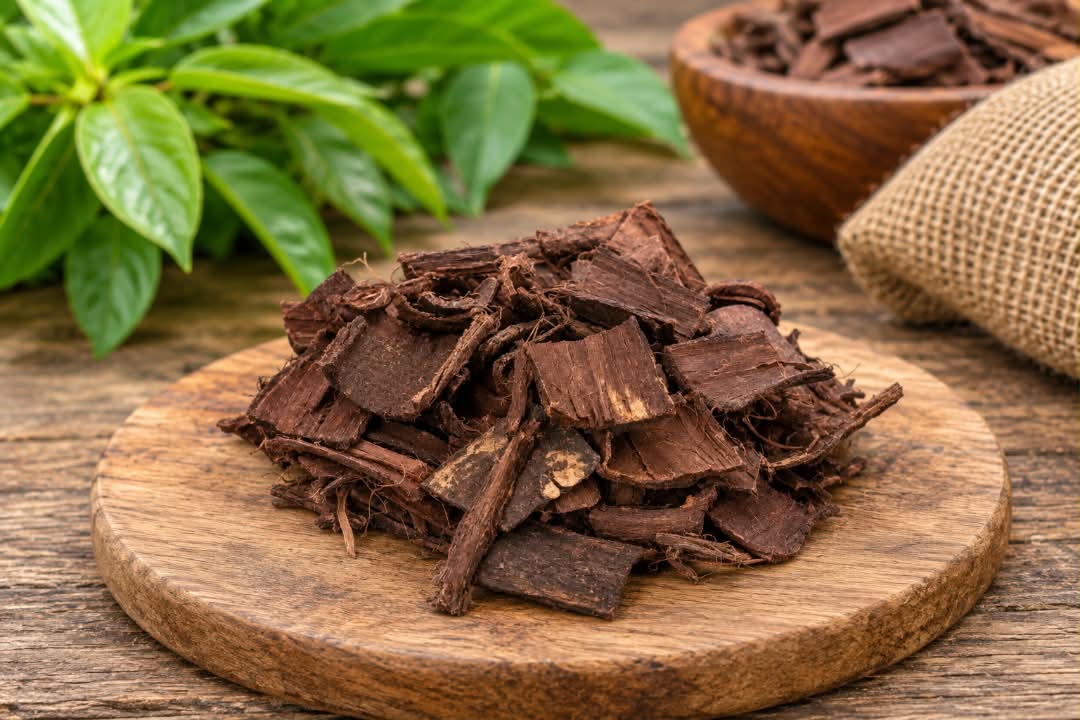
First of all, mimosa hostilis root bark comes from a small tree native to Brazil and Mexico. In fact, many people around the world now study it for its rich history. Also, artisans value it for natural dye and skincare uses. So in this guide, you will learn the key facts step by step.
What Is Mimosa Hostilis Root Bark?
To begin with, botanists call this plant Mimosa tenuiflora. In addition, locals in Brazil call it jurema preta. The tree grows in dry, hot regions. As a result, it develops a thick, reddish inner bark. Besides that, this bark holds high levels of tannins, and those tannins explain most of its uses.
Where Mimosa Tenuiflora Root Bark Grows
Typically, mimosa tenuiflora root bark comes from northeastern Brazil and southern Mexico. Likewise, small farms in Central America grow the tree. Since the plant handles drought well, it often grows back after fires. Because of this, many growers see it as a renewable crop.
A Short History of Jurema Root Bark
Historically, Indigenous communities in Brazil used jurema root bark in cultural ceremonies. Meanwhile, healers in Mexico applied the bark to the skin. Later, scientists began to study its compounds. Then, in 1984, a gas explosion in Mexico City brought the bark worldwide attention. Afterward, local clinics reported using tepezcohuite powder on burn victims, and interest spread fast.
Why Tepezcohuite Bark Matters in Skincare
Today, many cosmetic brands add tepezcohuite bark extract to creams and soaps. Specifically, its tannins and antioxidants may help support healthy-looking skin. However, research is still limited. Therefore, you should treat these products as cosmetics, not medicine. Also, always do a patch test first.
Popular Mimosa Hostilis Bark Uses
Natural Dyeing
Above all, textile artists love mimosa hostilis bark uses in dyeing. For example, the bark gives rich purple, burgundy and brown tones. Furthermore, it works well on cotton, wool and silk. So many eco-friendly makers choose it over synthetic dyes.
Soap and Cosmetics
Similarly, soap makers add the powder to handmade bars. Consequently, the soap gets a deep color and a gentle scrub.
Leather Tanning
Finally, the high tannin level makes the bark useful for leather tanning. In short, it stays a classic material for traditional craftspeople.
How to Choose Quality Mimosa Hostilis Root Bark
Firstly, look for ethically sourced suppliers. Secondly, check whether the seller offers inner root bark, since it contains the most tannins. Next, compare the forms on offer, such as shredded, powdered or whole bark. Moreover, a reliable vendor shares origin details. Ultimately, quality mimosa hostilis root bark should look deep red and smell earthy.
Understanding Legal Status Worldwide
Importantly, laws differ by country. For instance, the USA allows sales for dyeing and crafts. In contrast, some countries restrict the plant. Thus, you should always check your local rules before buying.
Storage and Safety Tips
Generally, keep the bark in a cool, dry and dark place. Also, use airtight containers to protect it from moisture. In addition, keep it away from children and pets. Above all, talk to a healthcare professional before using any herbal product.
Final Thoughts
In conclusion, mimosa hostilis root bark offers a fascinating mix of culture, craft and skincare. Whether you dye fabric or make soap, the bark gives you plenty of creative options. So keep exploring Mimosa Hostilis Hub to learn more.