Mimosa Tenuiflora/Hostilis: The Complete Guide to the Jurema Tree

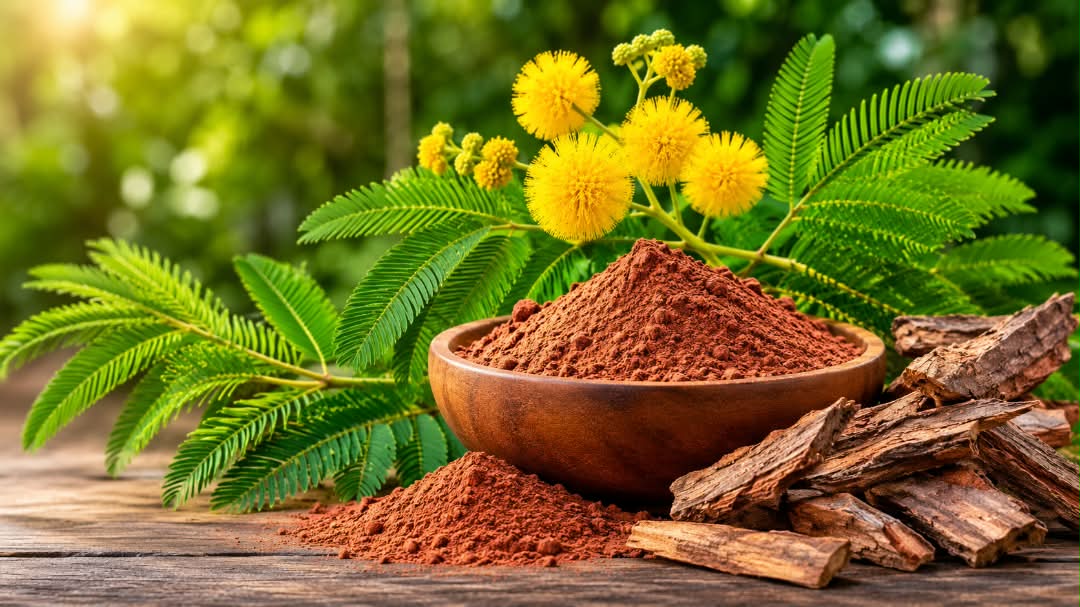
First, mimosa tenuiflora/hostilis is a thorny shrub that grows across Brazil and Mexico. Moreover, this hardy tree has a long record in traditional medicine and natural dyeing. Therefore, many readers search for reliable facts before they buy or use it. Overall, this guide explains what the plant is, where it grows, and how people use it responsibly.
What Is Mimosa Tenuiflora/Hostilis?
Botanically, mimosa hostilis is a synonym for the species mimosa tenuiflora, a member of the legume family. In fact, scientists now prefer the name Mimosa tenuiflora. However, many sellers and hobbyists still use the older label. As a result, both names appear on products and in search results. Additionally, the tree grows between 8 and 26 feet tall. Similarly, it forms feathery leaves and small white flower spikes.
Where Does the Jurema Preta Tree Grow?
Meanwhile, jurema preta thrives in the dry regions of northeastern Brazil. Likewise, it grows across southern Mexico, El Salvador, and Honduras. Because it tolerates poor soil, the tree often colonizes cleared land. In addition, its deep roots help stop erosion. Consequently, farmers sometimes plant it to restore damaged ground.
Traditional Uses of Tepezcohuite in Mexico
Historically, Maya communities have used tepezcohuite bark in skin remedies. Specifically, healers ground the bark into powders and creams for minor wounds. Furthermore, Brazilian communities treat the tree as sacred in Jurema traditions. Thus, cultural respect matters when you read about its history.
Modern Cosmetic and Skin Care Applications
Today, brands add mimosa tenuiflora extract to soaps, lotions, and balms. Moreover, the bark contains tannins, which give it astringent properties. As a result, cosmetic makers value it for skin care formulas. However, research on human skin remains limited. Therefore, always patch test any new product first.
Natural Dye and Tannin Uses
Besides skin care, mimosa hostilis bark makes rich purple, brown, and burgundy dyes. In particular, textile artists value the deep color and strong fastness. Likewise, leather workers use its tannins for natural tanning. Consequently, craft communities worldwide buy the bark in bulk.
Mimosa Tenuiflora/Hostilis Legal Status in the USA
Importantly, the plant itself does not appear on the federal controlled substances schedules. However, the root bark naturally contains DMT, which is a Schedule I compound in the United States. Therefore, preparing the bark for consumption can carry serious legal consequences. In addition, other countries set their own rules. For this reason, check your local laws before you buy mimosa tenuiflora/hostilis anywhere.
How to Choose Quality Mimosa Hostilis Products
First, buy mimosa hostilis only from suppliers who label the species, origin, and plant part clearly. Next, look for sustainable harvesting practices and transparent sourcing. Also, ask about the intended use, such as dyeing or soap making. Finally, avoid sellers who make medical or consumption claims.
Sustainability and Ethical Sourcing
Meanwhile, rising demand puts pressure on wild populations. For example, careless harvesting of jurema preta roots can kill mature trees. Therefore, responsible suppliers use cultivated stock or harvest bark without destroying the plant. Ultimately, ethical sourcing protects both ecosystems and local communities.
Growing the Mimosa Tenuiflora Plant at Home
Interestingly, gardeners can grow the mimosa tenuiflora plant from scarified seeds. First, soak the seeds in hot water to soften the coat. Then, plant them in sandy, well-drained soil in full sun. Moreover, the tree needs little water once it matures. However, frost can damage young plants, so protect them in cold climates.
Key Takeaways for Responsible Readers
Overall, mimosa tenuiflora/hostilis is a versatile plant with cultural, cosmetic, and dyeing value. In summary, mimosa hostilis and jurema preta refer to the same tree. Additionally, always follow your local laws and buy from transparent sellers. Finally, explore Mimosa Hostilis Hub for more verified plant guides.